

Tensions between India and Pakistan are rising again. On April 8, Pakistan launched drones and missiles targeting multiple places in northern and western India, including areas in Punjab, Rajasthan, and Jammu & Kashmir.
In response, India said it successfully stopped these attacks using its air defence systems, including the Integrated Counter-UAS (Unmanned Aerial Systems) Grid. India even claimed it disabled Pakistan’s air defence system near Lahore during the retaliation.
What Exactly Happened?
According to India, Pakistan tried to hit around 15 military sites using drones and missiles. The attacks focused on cities like Jammu, Amritsar, Srinagar, Ludhiana, Chandigarh, Bhuj, and more.
India’s military stepped in quickly. With help from advanced air defence technology, the Indian forces shot down the incoming drones and missiles. Officials say they are now collecting the broken parts (debris) of these devices from different places as proof of the attack.
How Does India’s Air Defence Work?
India has built a strong air defence network to protect itself from any threat that comes from the sky—whether it’s drones, fighter planes, or missiles. This system uses a mix of Indian-made and foreign technology and is divided into three types based on how far they can hit:
1. Long-Range Defence
These systems can target threats from as far as 4,000 kilometers away.
-
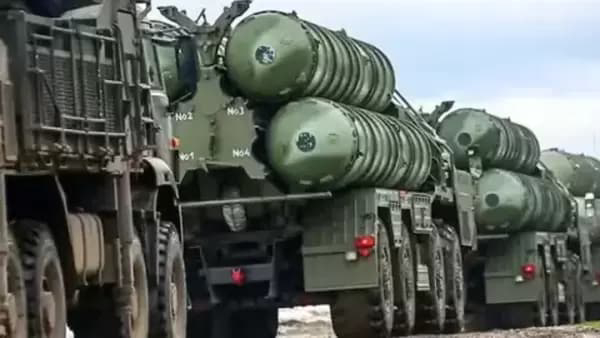
S-400 Triumf: This is the top long-range system bought from Russia. It can shoot down enemy aircraft or missiles even at a height of 30 kilometers. India mainly uses it to guard against threats from Pakistan and China.
-
Ballistic Missile Defence (BMD): Made in India, this system includes:
-
Prithvi Air Defence (PAD): Can destroy missiles in outer space before they hit Earth. It travels five times the speed of sound and has a range of 2,000 km.
-
Advanced Air Defence (AAD): This deals with threats at lower heights (15–30 km) and can strike targets up to 300 km away.
-
India is also working on a new local system called Project Kusha, which aims to match top international systems like the S-400 and Israel’s Iron Dome.
2. Medium-Range Defence
These systems can take down threats from up to 70 km away.
-
Akash-NG: Designed in India, it can shoot down fast-flying targets like jets, drones, and cruise missiles.
-
It uses a radar called Rajendra III to track and target enemies in the air.
-
Barak-8: This is another powerful missile system made together by India and Israel. It can stop airplanes, helicopters, drones, and even short-range ballistic missiles.
3. Short-Range Defence
These systems act fast to protect troops and important vehicles on the move.
-
QRSAM (Quick Reaction Surface-to-Air Missile): Built in India for quick action on the battlefield.
-
Spyder System: Bought from Israel, this mobile defence unit uses two types of missiles—Python and Derby—to shoot down nearby threats quickly.
India’s defence forces are equipped with a strong mix of homegrown and foreign air defence technologies. These systems allow India to quickly react and stop aerial threats—just like they did during the latest attacks from Pakistan. With new systems like Project Kusha on the way, India is working to make its skies even safer.
