

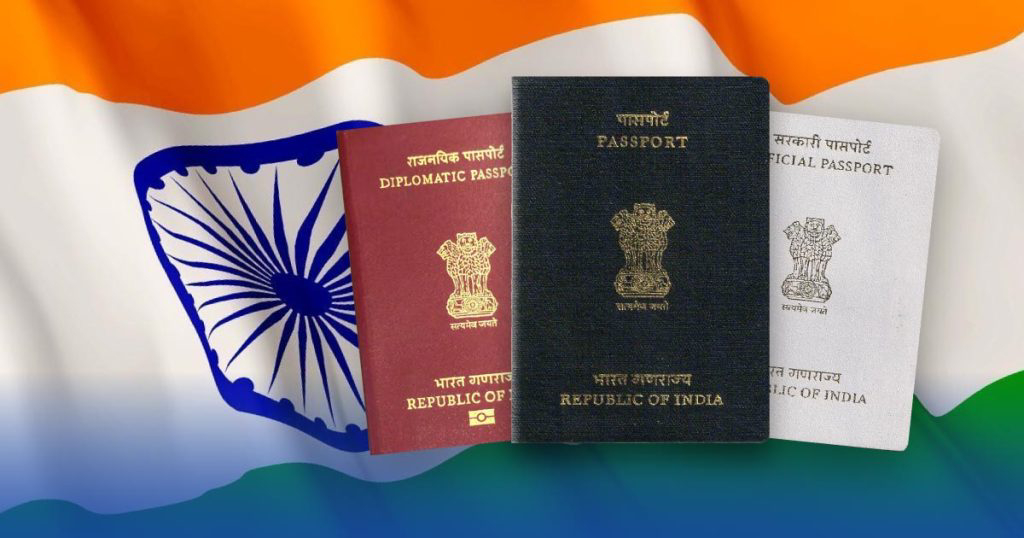
India is stepping into a new era of travel documentation with the introduction of the ePassport—a smarter, safer, and more secure version of the traditional passport. As someone who’s waited in long immigration lines and dealt with the occasional hiccup at international borders, I can’t help but welcome this move with open arms.
The new ePassport is a blend of physical and digital tech. Unlike the conventional passport, this one includes a tiny embedded chip that stores personal details and biometric data like your photograph and fingerprints. You’ll notice a subtle gold symbol on the front cover—that’s your cue that you’re holding the future of Indian travel documentation in your hands.
This isn’t just about aesthetics or novelty. The chip uses RFID (Radio Frequency Identification) technology, which makes forging or tampering with the passport extremely difficult. That’s a huge boost for both national security and individual safety.
Right now, the rollout is happening in phases across select Indian cities, but the aim is to scale this up across the country soon. With this, India joins a league of over 120 countries—think the U.S., Canada, France, Japan, and Australia—that have already adopted biometric passports.
What I personally find exciting is how this aligns India with global standards set by the International Civil Aviation Organization (ICAO). It’s a clear sign that India isn’t just catching up—we’re ready to lead when it comes to embracing secure, tech-forward identity systems.
Here’s what makes the ePassport worth the buzz:
Enhanced Security: The chip stores your biometric information securely, reducing the risk of identity theft and counterfeit passports.
Faster Immigration Checks: Biometric data allows for quicker verification at eGates and immigration counters, cutting down wait times—especially helpful during those layovers!
Global Acceptance: Being ICAO-compliant means smoother acceptance at international airports, making travel more seamless for Indian passport holders.
Tamper-Proof Design: The digital features make it far harder to duplicate or forge, adding an extra layer of protection.
Forward-Looking Infrastructure: It’s not just a passport—it’s a step toward smarter, tech-driven governance that keeps the individual at the center.
Personally, I think this marks a meaningful shift. Whether you’re a student heading overseas, a business traveler, or just someone who loves to explore the world, this upgrade is going to make your journey smoother and safer. It’s reassuring to see India stepping up with tech that matches our global ambitions.
