

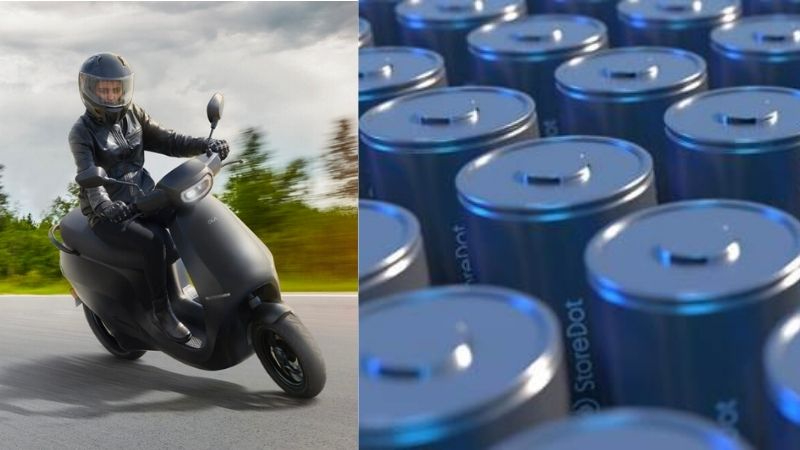
In the race to power up India’s battery production, a few frontrunners have hit an unexpected roadblock—and they’re asking for a bit more time on the clock. Ola Electric, Rajesh Exports, and Reliance New Energy, all recipients of the government’s major incentive plan to boost battery cell manufacturing, have reportedly reached out to the authorities, requesting a breather. Their reason? A tangled web of supply chain issues—primarily with importing critical machinery from China—has slowed their progress.
For those unfamiliar, the Indian government launched a bold Production-Linked Incentive (PLI) scheme back in 2021, earmarking over ₹18,000 crore to turbocharge the country’s capacity for manufacturing advanced chemistry cells (ACC). The idea was to kick-start 50 GWh of homegrown battery cell production, and these three players were collectively handed a whopping 30 GWh chunk of that target. In return, they were expected to invest substantially and meet domestic value addition goals—all within a tight two-year timeframe.
But reality hasn’t quite matched the roadmap. The trio claims that equipment delays—particularly from China—have thrown a wrench into their rollout plans. We’re talking about essential machinery for building the very heart of these high-tech batteries. With export restrictions and shipping hiccups at play, the delays have snowballed. And while Ola Electric has started trial runs at its Gigafactory and is inching toward 5 GWh capacity from an existing 1.4 GWh, it’s still not quite at the finish line.
Meanwhile, Rajesh Exports has faced a different kind of challenge—local protests have reportedly stalled land acquisition efforts, which only adds to the list of complications.
The PLI scheme isn’t just about incentives—there are penalties too. And they’re steep. For every day of delay, Ola Electric could lose ₹12.5 lakh from future incentives, while Reliance and Rajesh Exports face ₹5 lakh cuts each per day. Naturally, no one wants to see that kind of money vanish.
As it stands, the companies have asked the Ministry of Heavy Industries not just for more time, but also for relief from these financial penalties. Government officials have said they’ll review each case thoroughly before making any decisions.
It’s a reminder that while the ambition to localize and scale up clean energy tech is noble—and necessary—execution often runs into real-world hurdles. These battery pioneers are pushing ahead, but they’re asking for a bit of patience as they navigate the complex path from factory blueprint to full production.
